Marine

Recreational

SCIGRIP has a long history of working in the marine market including leisure craft, pontoon, lifeboat, yacht and commercial vessel manufacturing.

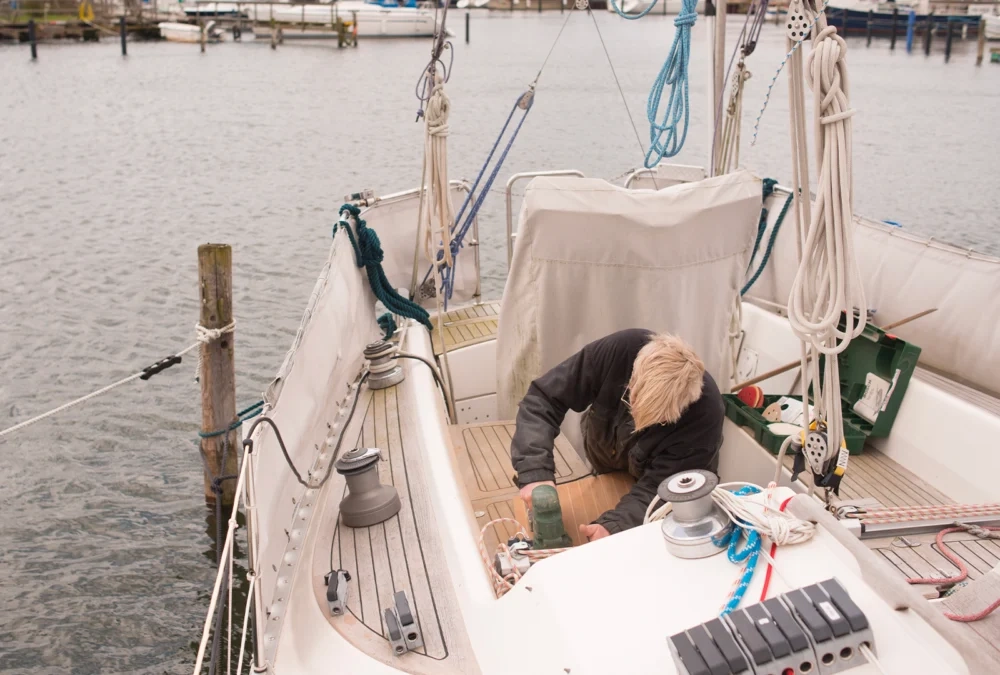
Crew member working on the foredeck of a moored sailing yacht

Proven in Marine Manufacturing

We are trusted by leading boat builders and marine manufacturers worldwide for bonding strength, industry-leading fatigue and impact resistance, minimal surface preparation, lightweight durability, and flexibility for a wide range of applications.

Aerial view of a speedboat carving a circular wake in dark blue water

In modern marine manufacturing, performance starts at the bond line.

Mechanical fixings add weight and complexity, and welding is often unsuitable for composites and gel coats.

SCIGRIP structural adhesives provide a seamless, reliable and aesthetically pleasing alternative. They utilise dissimilar material bonding, multiple working times, minimal surface preparation, impact resistant gap filling and provide reduced bondline readthrough, environmental resistance and a clean and finished look.

SCIGRIP products solve challenges

Lightweight Strength

Excellent for bonding FRP composites, aluminium and mixed-material assemblies with little or no surface preparation. High strength bonds capable of carrying static and dynamic loads across hulls, deck structures and internal fitout components.

Production Efficiency

Quicker fixture time allowing parts to be bonded and moved earlier in the production process, supporting both high-volume leisure craft production and specialist vessel builds.

Excellent Environmental and Chemical Resistance

Bond strength is maintained after extended exposure to marine environments including saltwater, UV, fuel and cleaning chemicals across the full range of vessel types and operating conditions.

Design Freedom

Large range of working times, bond dissimilar substrates without visible fasteners, no sag characteristics to fill gaps, suitable for everything from small recreational craft to larger commercial and working vessel applications.
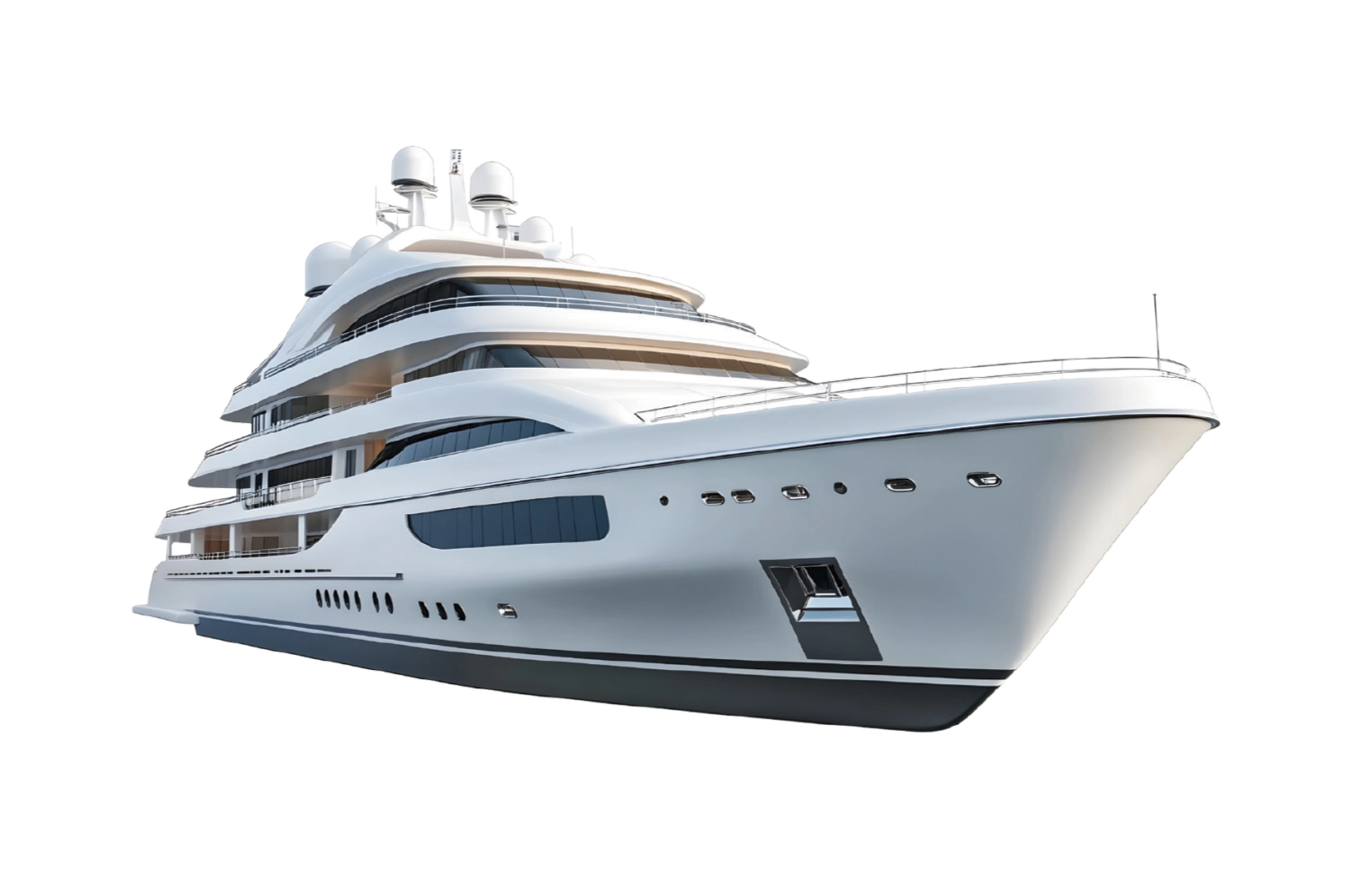
Illustration of a large motor yacht

Flooring

Aluminium and composites are the preferred
materials for strength, low weight and
noise/vibration resistance.

Bonding of dissimilar materials while providing impact resistance, noise dampening and structural stiffening.

Console Assembly

Designed with composite materials for lower
weight, durability and aesthetics.

Requires bonding of dissimilar materials with limited preparation.

Mounting Hardware

Primarily made of steel or aluminium and
affixed to various boat surfaces to secure dock lines and ropes.

Bond dissimilar materials in demanding and consistently harsh environments.

Deck Hatch

This being the largest opening below deck, it must be resistant to water, UV exposure and temperature extremes. Made from metals, plastics and composites.

Sealing and bonding dissimilar materials while providing impact and fatigue resistance.

Bond using:

Hull

Most commonly made of glass-reinforced plastic (GRP) or aluminium alloys, the hull is responsible for keeping the boat afloat.

Using large lines of adhesive to bond the hull will offer strength, impact and environmental resistance.

Window Frame

Steel, aluminium or FRP/GRP window frames of various sizes built to secure glass while protecting it from external force.

Requires strong bonding of dissimilar materials with weather-proof sealing and corrosion resistance.

Interior Parts

Primarily comprised of FRP/GRP and plastic parts for durability, light weight and aesthetics.

Requires strong, fast sealing and bonding of dissimilar materials with no sagging or surface preparation. Must be lightweight and aesthetically pleasing.

Transom

Made from aluminium or FRP/GRP to provide strength and support to the hull and the rear of the boat.

Requires strong bonding in harsh environmental conditions, subject to constant impact and vibration.

Bulkhead and Stringer

Key structural elements that add strength and rigidity to the hull. Made from composites, plywood and metals.

Requires adhesives that withstand vibration, dynamic loads, and harsh marine conditions.

Flooring

Aluminium and composites are the preferred
materials for strength, low weight and
noise/vibration resistance.

Bonding of dissimilar materials while providing impact resistance, noise dampening and structural stiffening.

Console Assembly

Designed with composite materials for lower
weight, durability and aesthetics.

Requires bonding of dissimilar materials with limited preparation.

Mounting Hardware

Primarily made of steel or aluminium and
affixed to various boat surfaces to secure dock lines and ropes.

Bond dissimilar materials in demanding and consistently harsh environments.

Deck Hatch

This being the largest opening below deck, it must be resistant to water, UV exposure and temperature extremes. Made from metals, plastics and composites.

Sealing and bonding dissimilar materials while providing impact and fatigue resistance.

Bond using:

Hull

Most commonly made of glass-reinforced plastic (GRP) or aluminium alloys, the hull is responsible for keeping the boat afloat.

Using large lines of adhesive to bond the hull will offer strength, impact and environmental resistance.

Window Frame

Steel, aluminium or FRP/GRP window frames of various sizes built to secure glass while protecting it from external force.

Requires strong bonding of dissimilar materials with weather-proof sealing and corrosion resistance.

Interior Parts

Primarily comprised of FRP/GRP and plastic parts for durability, light weight and aesthetics.

Requires strong, fast sealing and bonding of dissimilar materials with no sagging or surface preparation. Must be lightweight and aesthetically pleasing.

Transom

Made from aluminium or FRP/GRP to provide strength and support to the hull and the rear of the boat.

Requires strong bonding in harsh environmental conditions, subject to constant impact and vibration.

Bulkhead and Stringer

Key structural elements that add strength and rigidity to the hull. Made from composites, plywood and metals.

Requires adhesives that withstand vibration, dynamic loads, and harsh marine conditions.

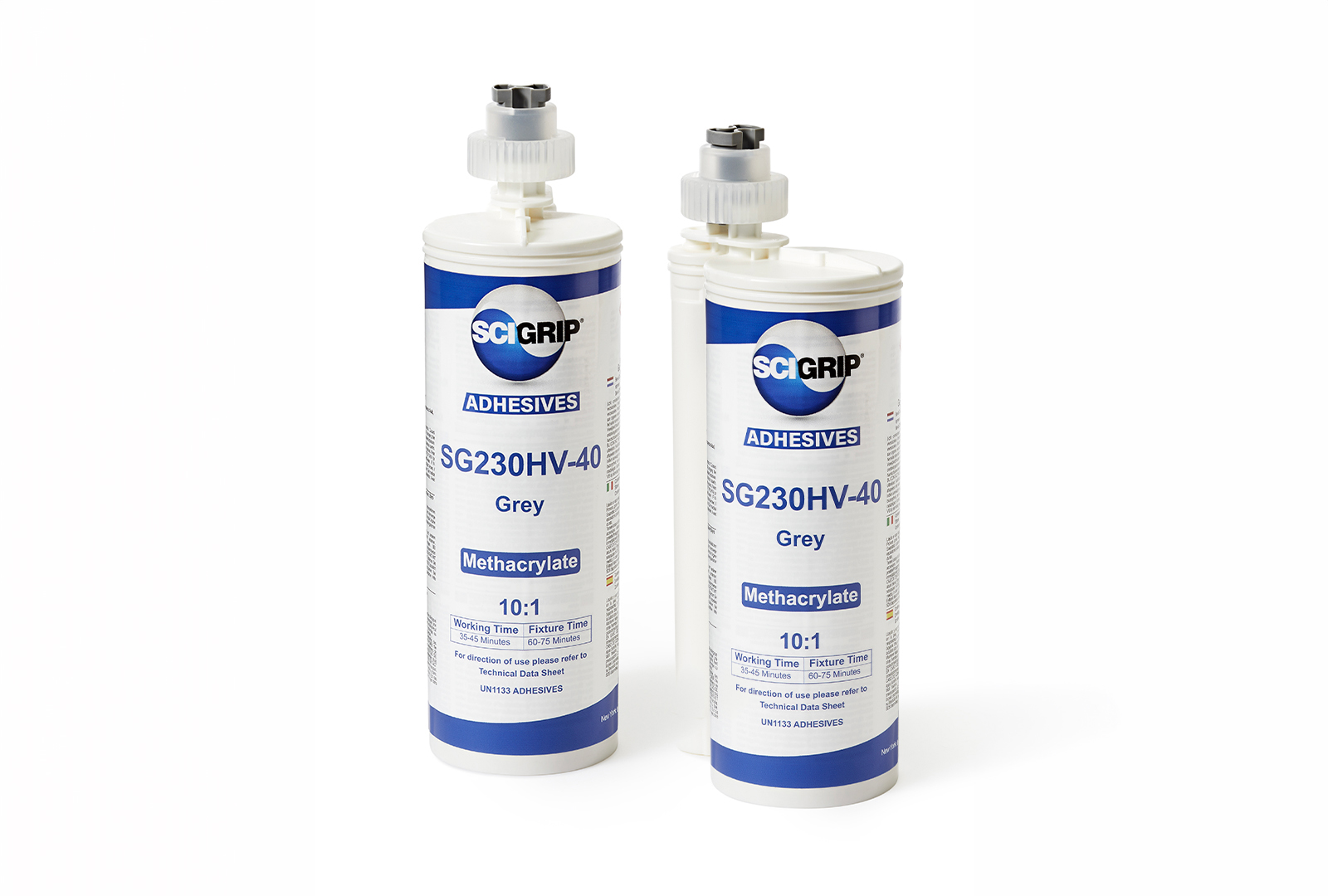
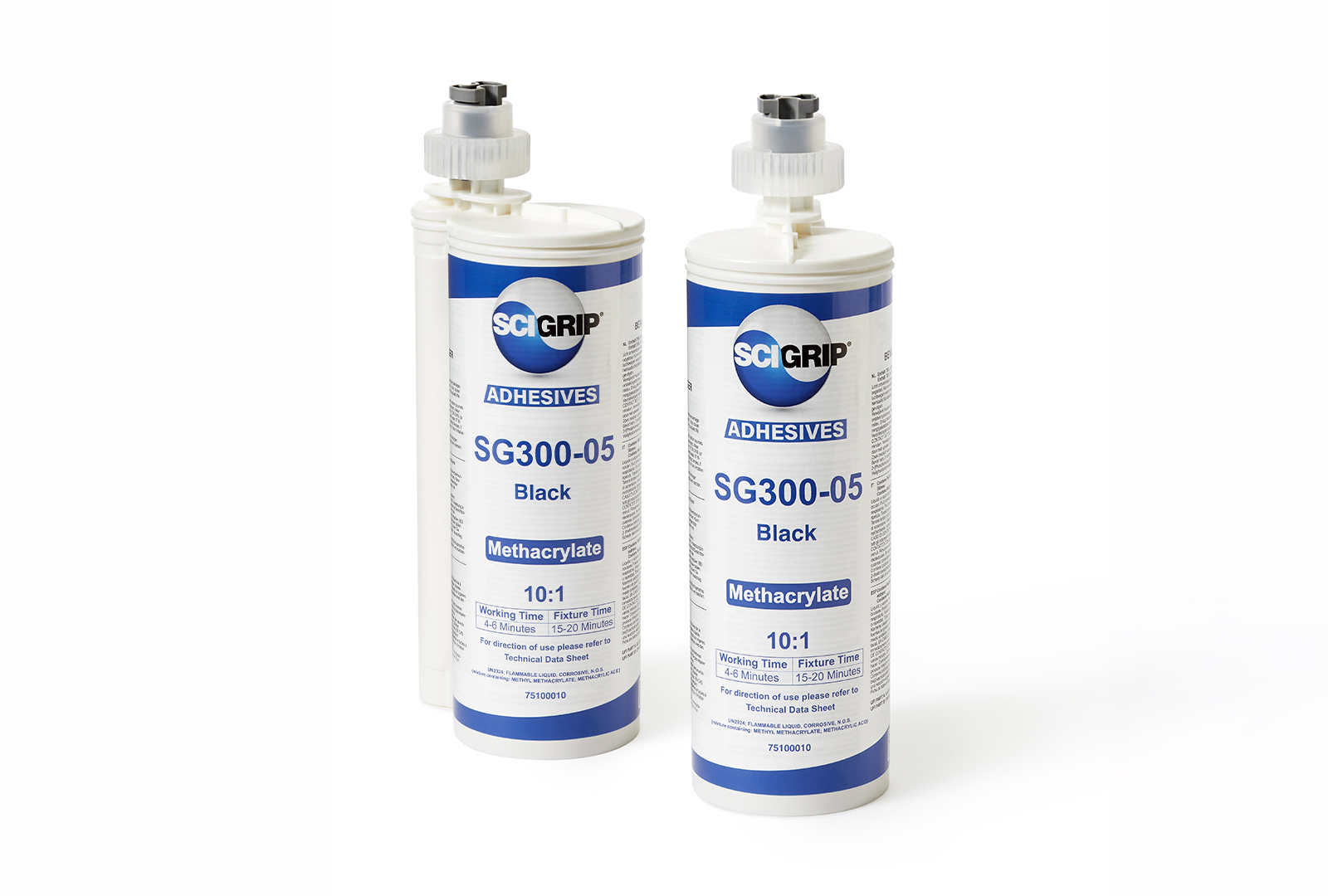
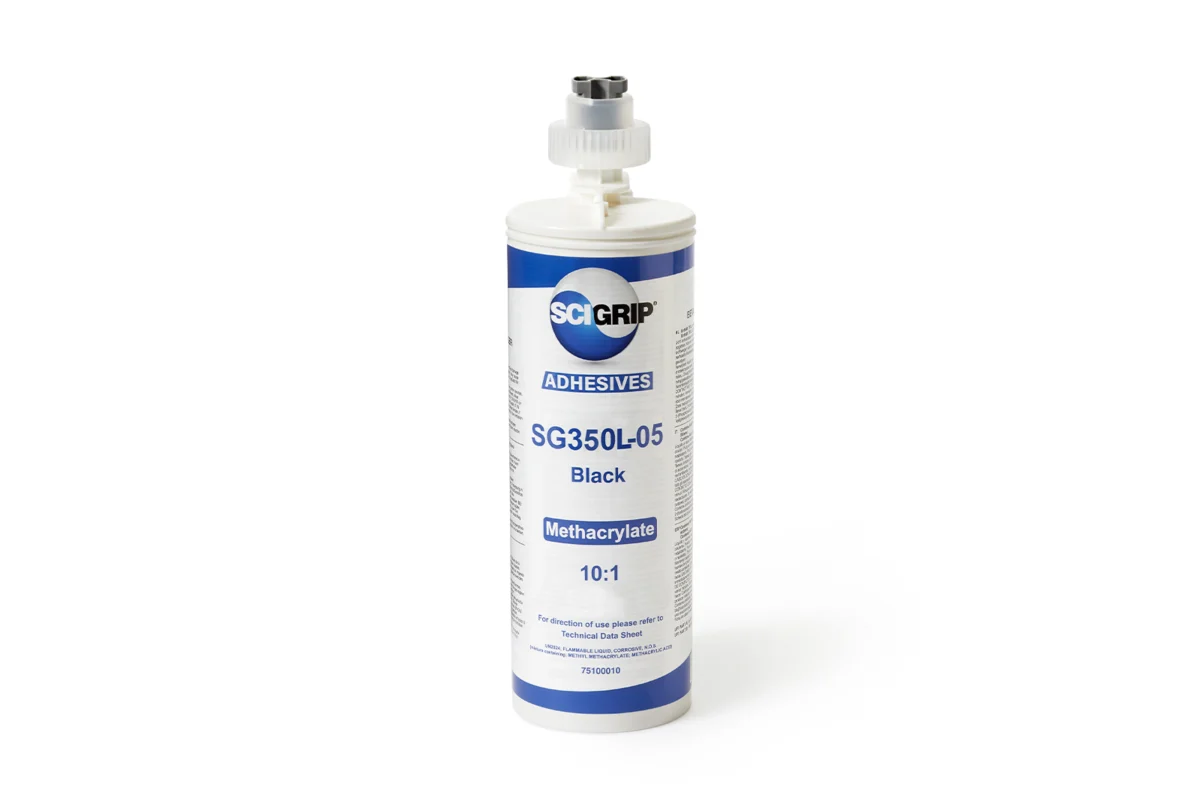
Products used in recreational marine
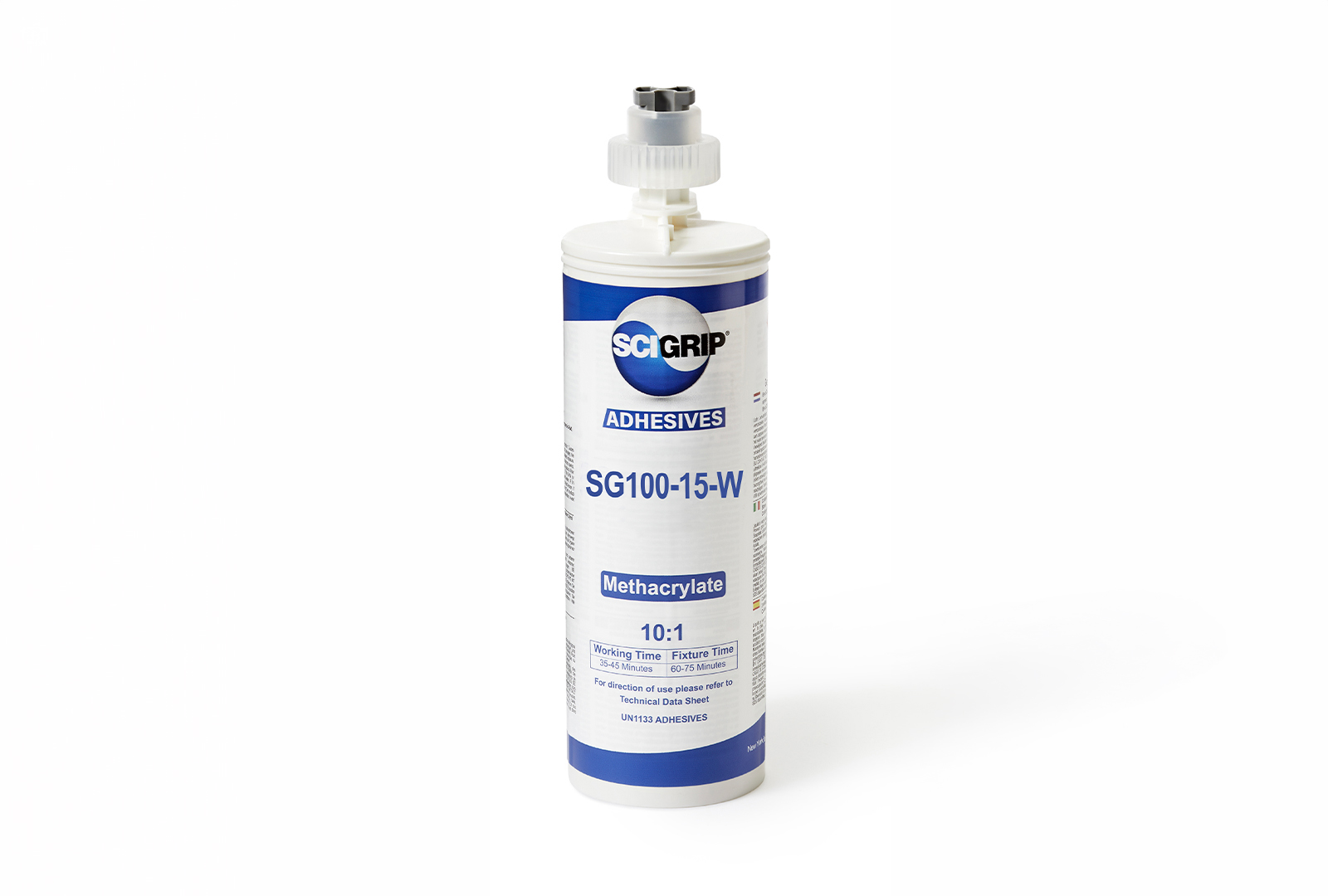
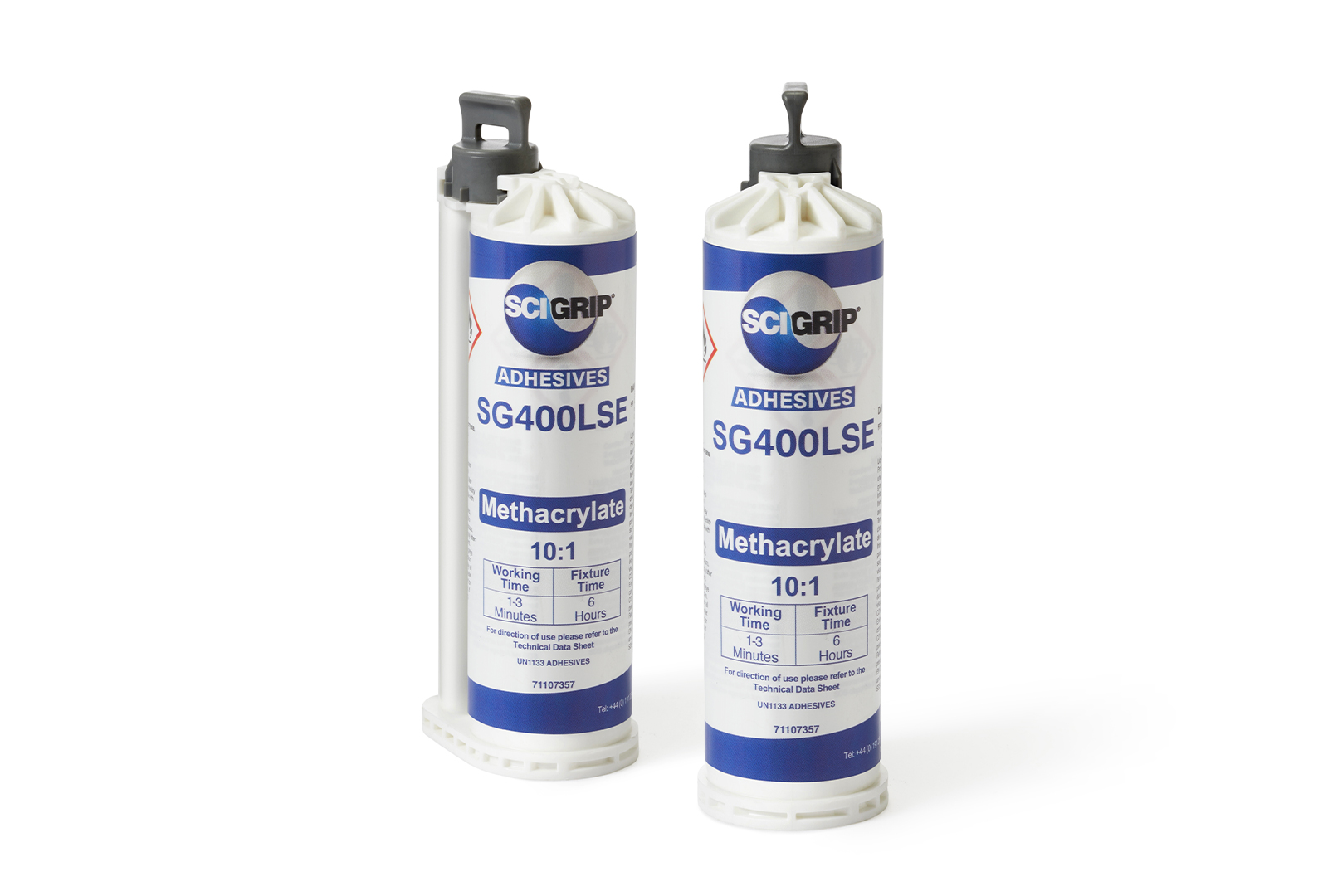
Structural Adhesives (MMA)
Working time: 12-18 / 35-45 min
UPR FRP Epoxy FRP ABS - Acrylonitrile Butadiene Styrene Aluminum Cold Rolled Steel PMMA + Acrylic (Lucite, PlexiGlass, etc) PVC + UPVC Stainless Steel Coated Metal Vinyl Ester FRP
Structural Adhesives (MMA)
Working time: 25-30 / 35-45 / 50-70 min
PVC + UPVC Stainless Steel Coated Metal Vinyl Ester FRP UPR FRP Epoxy FRP Aluminum Carbon Fiber Cold Rolled Steel
Structural Adhesives (MMA)
Working time: 4-6 / 13-17 / 35-45 min
Carbon Fiber Cold Rolled Steel PMMA + Acrylic (Lucite, PlexiGlass, etc) Polycarbonate PVC + UPVC Stainless Steel Coated Metal Vinyl Ester FRP UPR FRP ABS - Acrylonitrile Butadiene Styrene Epoxy FRP Aluminum
Structural Adhesives (MMA)
Working time: 4-6 / 12-16 min
Coated Metal Vinyl Ester FRP UPR FRP ABS - Acrylonitrile Butadiene Styrene Epoxy FRP Aluminum Carbon Fiber Cold Rolled Steel PMMA + Acrylic (Lucite, PlexiGlass, etc) Polycarbonate PVC + UPVC Stainless Steel
Structural Adhesives (MMA)
Working time: 1-3 min
PMMA + Acrylic (Lucite, PlexiGlass, etc) Stainless Steel PP Coated Metal Vinyl Ester FRP UPR FRP ABS - Acrylonitrile Butadiene Styrene Aluminum

Interested in products for the Marine sector?

Please contact us directly using the contact details below or use this form to submit your inquiry. We aim back to you within 48 hours.

    By submitting this form you agree to our Privacy Policy.